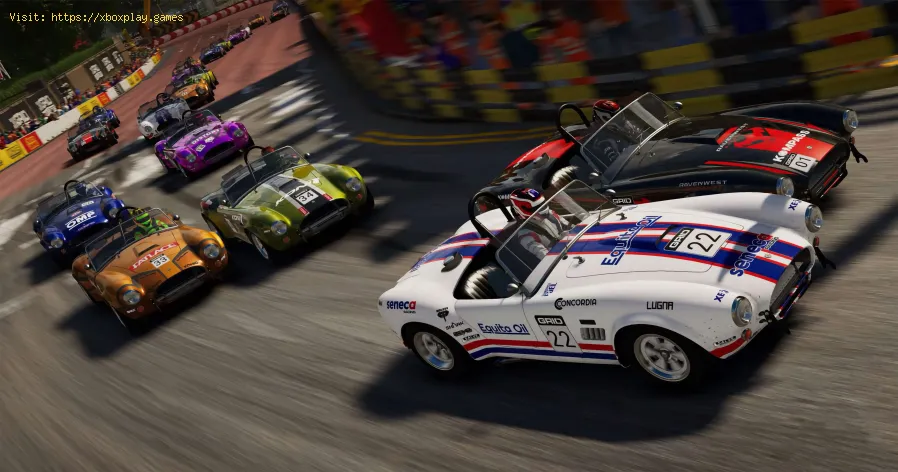
The best racing games for 2026
Causes of the Problem
Stuttering and lag don't happen randomly. They are symptoms of a "bottleneck," where one component can't keep up with the others. Here’s a detailed list of the most common culprits:Quick Fix (For Impatient Users)
If you want to get back on track in under 2 minutes, try these three steps in order:Detailed Step-by-Step Solutions
Follow these steps methodically. After each step, test the game to see if the issue is resolved.Step 1: Perform a Clean Graphics Driver Installation.- PC (NVIDIA): Download the latest driver from NVIDIA's website. During installation, select "Custom Install" and then check the box for "Perform a clean installation."
- PC (AMD/Intel): Use the "Factory Reset" option in your AMD Adrenalin or Intel Arc Control installer.
- Console: While you can't update drivers manually, ensure your system software is fully updated via Settings > System > Software Update.
- Close all unnecessary applications before launching the game. Check your system tray (bottom-right of Windows) and close Discord, Chrome tabs, Spotify, etc.
- Set your Power Plan to "High Performance" (Windows: Search for "Choose a power plan" in the Start menu).

Step 3: Tame the Game’s Graphics Settings.
Don't just use presets. Key settings to adjust first:
- Resolution: Stick to your monitor's native resolution, but consider using NVIDIA DLSS, AMD FSR, or Intel XeSS if supported. These are "performance magic" upscalers.
- Anti-Aliasing: Switch from MSAA or TAA to a lighter option like FXAA, or let the upscaler handle it.
- Shadows, Reflections, and Volumetric Fog: Set these to Medium. They are hugely demanding.
- Texture Filtering: Anisotropic Filtering at 8x or 16x has minimal performance cost but improves clarity.
Step 4: Check for Overheating.
- Download a free tool like HWMonitor or MSI Afterburner.
- Play the game for 10 minutes, then check the max temperatures for your CPU and GPU.
- If they are consistently above 85°C (185°F), your system is overheating. Ensure your fans are working, and your PC's vents are not blocked by dust.
Step 5: Verify/Repair Game Files.
- Steam: Right-click game > Properties > Installed Files > "Verify integrity of game files..."
- Epic Games: Library > click "..." on the game > Verify.
- Console: Highlight the game, press Options/Start, and select "Check for Update" or "Repair" (varies by platform).
Step 6: Update Everything.
Ensure Windows is fully updated (Windows Update) and that your console's OS is on the latest version.
Step 7: Consider a BIOS Update (Advanced Users Only).
A motherboard BIOS update can improve memory compatibility and CPU performance. Only attempt this if you are comfortable, following your motherboard manufacturer's instructions precisely.
Alternative Solutions if the Problem Persists
If you’ve tried everything and the stutter remains, the issue might be deeper:
- Perform a Clean Windows Install: A nuclear option, but it removes all software conflicts.
- Check for Hardware Failures: Run memory diagnostics (Windows Memory Diagnostic) and check yourSSD/HDD health with CrystalDiskInfo. A failing drive can cause severestuttering.
- Roll Back to a Previous Driver: Sometimes, the newest driver is the problem. Roll back to a previous, stable version via the Device Manager.
How to Prevent This from Happening Again
- Keep Drivers Updated: Make it a habit to check for GPU driver updates every month or before a major game launch.
- Regular Maintenance: Physically clean dust from your PC/console vents every 3-6 months. Use compressed air.
- Monitor Temperatures: Keep an eye on temps during gaming sessions. Consider improving airflow or adding better cooling.
- Be Selective with Background Apps: Don't let unnecessary programs auto-start with your system.
Frequently Asked Questions (FAQs)
Q: Is the stuttering the game's fault or my hardware's fault?
A: It can be both. First, rule out your system with this guide. If theproblem is widespread (check forums like Reddit or Steam Community),it's likely a game patch is needed.
Q: I have a high-end PC. Why am I stuttering?
A: Even powerful PCs can be tripped up by a single misconfigured setting,like having Ray Tracing on Ultra with DLSS off, or having XMP memoryprofiles disabled in the BIOS.
Q: Will this guide help with console lag too?
A: Absolutely. The core principles of updates, overheating prevention, and game file management apply directly to consoles like the PS5 and XboxSeries X|S.
Q: How much FPS (Frames Per Second) do I need for a smooth racing game?
A: For fast-paced racing, 60fps is the standard for smoothness, but 120fps on a compatible monitor/TV provides a significantly more responsive and fluid experience.
Conclusion & Call to Action
Chasing the perfect, stutter-free lap in the best racing games of 2026 should be a thrill, not a technical chore. By understanding the commoncauses and methodically applying these solutions, you can eliminateperformance barriers and experience these incredible titles as theirdevelopers intended.
Don't let technical gremlins keep you in the pits. Start with the Quick Fix right now, then work through the detailed steps to optimize your setup for good.Once your system is running smoothly, you can fully immerse yourself inthe breathtaking visuals, heart-pounding physics, and competitive online battles that define this new generation of racing.
Got your own pro-tip for smoothing out game performance? Or still stuck on a specific issue? Drop a comment below and let's help each other find the finish line!

Other Articles Related
The best games to play with the familyFamily fun for all ages! Discover the best board, card, and video games thatcreate laughter, teamwork, and lasting memories for your next gamenight. Find your new favorite!
What is thermal throttling and how to avoid it
Learn what thermal throttling is, how it slows down your CPU/GPU, and getpractical tips to avoid it for better device performance and longevity.Keep your system cool!
What is DLSS and how to enable it
Unlock smoother gameplay with NVIDIA DLSS. Learn what AI-powered DLSS does,how it boosts FPS, and a quick guide to enabling it in supported PCgames.
What is ping and how to lower it
Discover what ping is in online gaming and networking. Learn practical tips tolower high ping, reduce lag, and improve your connection speed for asmoother experience.
The best games to play with keyboard and mouse
Best keyboard and mouse games: Master FPS, RTS, & RPG titles designedfor precision control. Discover top PC games that play best with KBM.
The best games to play with a controller on PC
Top controller-supported PC games: action, racing, RPGs & more. Findthe best titles for Xbox, PlayStation, or generic gamepads. Ultimateguide for couch gaming.
The best role-playing games to start with
Looking to start playing RPGs? Discover the best beginner-friendly role-playing games with easy-to-learn rules, engaging stories, and memorableadventures for new players.
The best racing games for 2026
Discover the top racing games of 2026, from hyper-realistic simulators toexplosive arcade action. Get our expert picks for every platform andplay style.
What is GPU overclocking and should you do it?
Learn what GPU overclocking is, its performance benefits, and the risksinvolved. Discover if overclocking your graphics card is right for yourPC and gaming needs.
What is FSR and how does it work?
Learn what FSR (FidelityFX Super Resolution) is, how it upscales games forhigher performance & better visuals, and how it compares to otherupscaling tech. Get a clear, simple explanation here.
What is tearing and how to eliminate it
Discover what screen tearing is, why it happens, and effective solutions toeliminate it for smooth, stutter-free visuals in games and videos.
What is VRR and why it improves your gaming experience
Learn about Variable Refresh Rate (VRR) and how it eliminates screen tearingand stuttering for a smoother, more responsive gaming experience.
What is HDR and how to enable it correctly
Unlock stunning visuals with our guide to HDR. Learn what High Dynamic Rangetechnology is and how to properly enable it on your TV, monitor, orgaming console for richer contrast and vibrant colors.