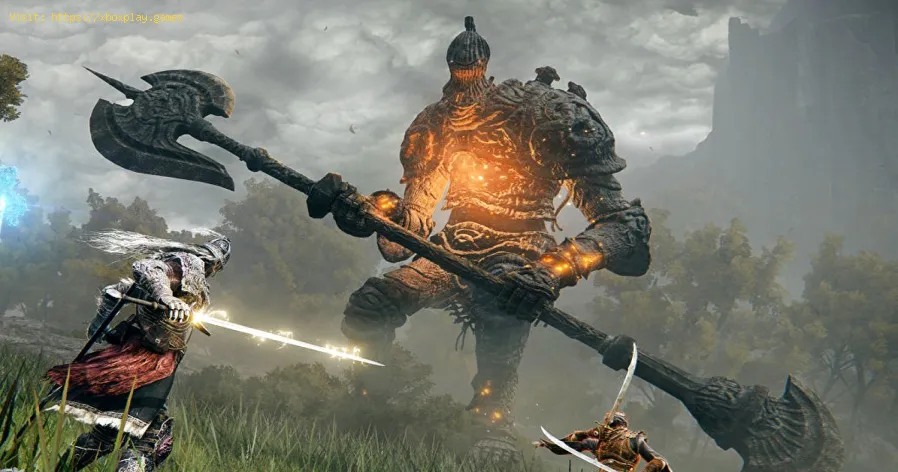
How to start a new game without making mistakes
Common "Starter Mistakes" & Why They Happen
Understanding these traps is the first step to avoiding them. They usually stem from a rush of excitement and a lack of systems knowledge.The Quick Start Protocol (For the Impatient New Player)
If you're about to hit "New Game" and want a cheat sheet, follow this immediate action list:Detailed Step-by-Step Guide to a Flawless Start
Phase 1: Before You Even Press "New Game" (The Setup)
- Controls: Adjust sensitivity to your liking.
- Audio: Often, turning down music slightly and turning up dialogue/dialog subtitles ON enhances story comprehension.
- Gameplay: Look for options like "Auto-save frequency" (set to high) and difficulty. When in doubt, start on 'Normal'. It's the balanced, intended experience. You can change it later.
Phase 2: The First Hour (Laying the Foundation)
- Master the Save System: As soon as the game allows, execute your Three-Save Strategy. Save your initial state in Slot 1. After your first big accomplishment, save in Slot 2. After the next, save in Slot 3, then overwrite Slot 1,and so on. This creates a rolling safety net.
- Complete the "Tutorial Island" 100%: Most games have a confined, safe starting area designed to teach you the ropes. Do not rush this. Perform every action the game suggests: jump, crouch, sneak, pick up,open menu, open map. Find every single item and chest here.
- Talk to Every Named NPC (Twice): Talk to them once to exhaust their main dialogue. Then, talk to themagain. They often have new, contextual lines or even hidden side-questtriggers after the first conversation.
- Inspect Your Inventory & Menus: Open every tab. Understand what is a consumable, a material, a keyitem, and equipment. Check your quest journal to understand howobjectives are tracked.
Phase 3: Early Game Progression (Making Smart Choices)
- The Resource Rule of Thumb:Never consume or sell a "unique" item unless you are 100% certain of its only use. When in doubt, store it in a designated chest (if the game has housing) or just let it sit in your inventory. Common resources (like basicherbs or iron ore) are usually safe to use/sell.
- The "Soft Commitment" Rule for Builds: For your first 5-10 levels, invest skill points or attribute points in core survivability and utility. Examples: Health/Stamina, a weapon damage type you're using, or auniversally useful skill like a dodge-roll improvement or lockpicking.Avoid hyperspecialized talents until you know you love the relatedplaystyle.
- Embrace Manual Saving Before & After: Make this a habit. Before: Entering a new dungeon, talking to a sketchy NPC, making a major story choice. After: Winning a tough fight, finding a great loot chest, completing a quest. This gives you the power to rewind small mistakes.
Alternative Starting Philosophies
- The Purist / Blind Runner: You want a completely unspoiled experience. Your best tools are extreme patience and meticulous note-taking (real or mental). Examine everything, talk to everyone multiple times, and accept that you will make some mistakes—but you'll learn from them organically. Your save slot discipline is even more critical.
- The Min-Maxer / Efficiency Expert: Your fun comes from optimal play. Before starting, you'll watch a"starter guide" video and possibly follow a pre-planned "build path."Your early game is a checklist: get the hidden sword, grab the 5early-game skill books, avoid the pointless side quest. This sacrificessurprise for power.
- The Role-Player: You decide who your character is before you create them. "A honorable knight who never steals." "A sly thief who avoids direct combat." Let this backstory guide every choice you make, from dialogue options to skill picks. This creates a cohesive, personal narrative from minute one.
How to Build Habits That Prevent Future Mistakes
- The "Pause and Think" Rule: When a dialogue box pops up with a major choice (Join Faction A or B?), or when you're about to spend a rare resource, physically pause thegame. Get up, stretch, think it over. There is no timer.
- Maintain a "Mystery Chest": In your inventory or storage, have a section for items you don'tunderstand. Once per gaming session, do a quick web search for one ofthose items: "What is [Mysterious Amulet] for?" This prevents tragicsales.
- Regularly Re-evaluate Your Build: Every few hours, look at your character sheet. Are you enjoying your combat style? If not, research if the game allows respecs (reassigning skill points, often for a cost). Many modern games do.
- Follow the "Critical Path" Lightly: It's okay to ignore the main quest for hours to explore. But if youfeel underpowered or lost, returning to the main story for a while often guides you to appropriate-level areas and crucial upgrades.
Frequently Asked Questions (FAQ)
Q: I already messed up my build/wasted a resource. Should I restart?
A: Rarely. First, ask: "Is this actually ruining my fun, or just not optimal?"Most modern games are designed to be completable with "suboptimal"choices. Second, check if there's a way to respec or re-acquire the item later. Often, there is. Restarting should be a last resort.
Q: How do I know if a side quest is worth doing early?
A: A good rule: If the quest is given by a named NPC in the starting townand doesn't send you far away, do it. These are usually designed asextended tutorials with good early rewards. Avoid quests that areclearly high-level (e.g., "Slay the Frost Giant" when you're level 2).
Q: Is it cheating to use a beginner's guide?
A: Not at all. It's using available tools to enhance your enjoyment. Think of it asreading the manual for a complex board game. You're learning the rulesso you can play the game properly, not spoiling the fun.
Q: I'm overwhelmed by the open world and have 15 quest markers. What do I do?
A: Open your journal, pick one. Start with the one that sounds simplest or is closest. The goal is to complete *a* task, not stress about all tasks. Progress begets confidence.
Q: What's the single best habit for a new game?
A: Cultivate patience. The desire to rush to the "good part" is what causes most mistakes. The opening is the good part—it's where you learn, explore, and build the foundation for your entire journey. Savor it.
Your Adventure, Your Rules
Starting a new game is an act of creation. You are not just playing a story; you are writing the opening chapter of your own unique experience withinthat world. By approaching these first hours with a strategist's mindand an explorer's heart—prioritizing safety nets, knowledge, anddeliberate choice—you transform potential anxiety into empoweredexcitement.
You nowhave the toolkit: the multi-save doctrine, the hoarder's patience, andthe explorer's curiosity. These principles will serve you in every gameyou ever play.
Ready to begin your next adventure with confidence instead of fear? Power on your console, select your game, and take a deep breath. Applythis blueprint, and step into the world not as a passive player, but as a prepared pioneer. Your flawless start—and the incredible journey thatfollows—begins now.

Other Articles Related
The best games to play with the familyFamily fun for all ages! Discover the best board, card, and video games thatcreate laughter, teamwork, and lasting memories for your next gamenight. Find your new favorite!
What is thermal throttling and how to avoid it
Learn what thermal throttling is, how it slows down your CPU/GPU, and getpractical tips to avoid it for better device performance and longevity.Keep your system cool!
What is DLSS and how to enable it
Unlock smoother gameplay with NVIDIA DLSS. Learn what AI-powered DLSS does,how it boosts FPS, and a quick guide to enabling it in supported PCgames.
What is ping and how to lower it
Discover what ping is in online gaming and networking. Learn practical tips tolower high ping, reduce lag, and improve your connection speed for asmoother experience.
The best games to play with keyboard and mouse
Best keyboard and mouse games: Master FPS, RTS, & RPG titles designedfor precision control. Discover top PC games that play best with KBM.
The best games to play with a controller on PC
Top controller-supported PC games: action, racing, RPGs & more. Findthe best titles for Xbox, PlayStation, or generic gamepads. Ultimateguide for couch gaming.
The best role-playing games to start with
Looking to start playing RPGs? Discover the best beginner-friendly role-playing games with easy-to-learn rules, engaging stories, and memorableadventures for new players.
The best racing games for 2026
Discover the top racing games of 2026, from hyper-realistic simulators toexplosive arcade action. Get our expert picks for every platform andplay style.
What is GPU overclocking and should you do it?
Learn what GPU overclocking is, its performance benefits, and the risksinvolved. Discover if overclocking your graphics card is right for yourPC and gaming needs.
What is FSR and how does it work?
Learn what FSR (FidelityFX Super Resolution) is, how it upscales games forhigher performance & better visuals, and how it compares to otherupscaling tech. Get a clear, simple explanation here.
How to choose the right difficulty level in any game
Discover tips on selecting the perfect difficulty level for any game to enhance your gaming experience and challenge yourself
How to avoid losing progress in games
Never lose your progress again! Discover effective strategies to safeguard your work and ensure seamless continuity.
The Next Big Names: Europe’s Rising LoL Stars for 2026
2026’s LEC season isn’t just another year - it’s the moment European talent finally stops getting overlooked.
How to play with friends using crossplay
Join the fun and play with friends in crossplay! Experience seamless gaming across platforms and enjoy endless adventures together.